
St. Lucia is only 27 miles long, yet it holds some of the most striking sights in the Caribbean: two volcanic peaks that are a UNESCO World Heritage Site, a drive-in volcano with hot mud baths, rainforest waterfalls, old British and French forts and fishing villages that still land the day's catch on the beach.
We are St Lu Taxi and Tours, a local taxi and tour company in Castries. Our drivers visit these St. Lucia attractions every week, so this guide goes beyond a simple list. For each of the best places to visit in St. Lucia you will find where it is, how long to allow, what it costs to get in and how far it is from Castries and Hewanorra Airport, plus a map and tips for seeing several in one day.
- The Pitons
- Sulphur Springs
- Diamond Falls Botanical Gardens
- Sugar Beach
- Marigot Bay
- Pigeon Island National Landmark
- Toraille Waterfall
- Tet Paul Nature Trail
- Anse Chastanet
- Castries Market and Derek Walcott Square
- Morne Fortune and Fort Charlotte
- The rainforest and Edmund Forest Reserve
- Anse La Raye and Canaries
- Rodney Bay and Reduit Beach
- Vieux Fort and Moule à Chique
Looking for activities rather than sights, like snorkeling, ziplining or the Friday night street party? See our guide to the best things to do in St. Lucia.
15 Best Places to Visit in St. Lucia
These are the top attractions in St. Lucia, starting with the sights most visitors put first. Drive times are from Castries in the north and from Hewanorra International Airport (UVF) in the south, and they are approximate, as the roads are winding and traffic varies.
1The Pitons
- Soufrière
- 75–90 min from Castries
- 45–60 min from UVF
- Free to view
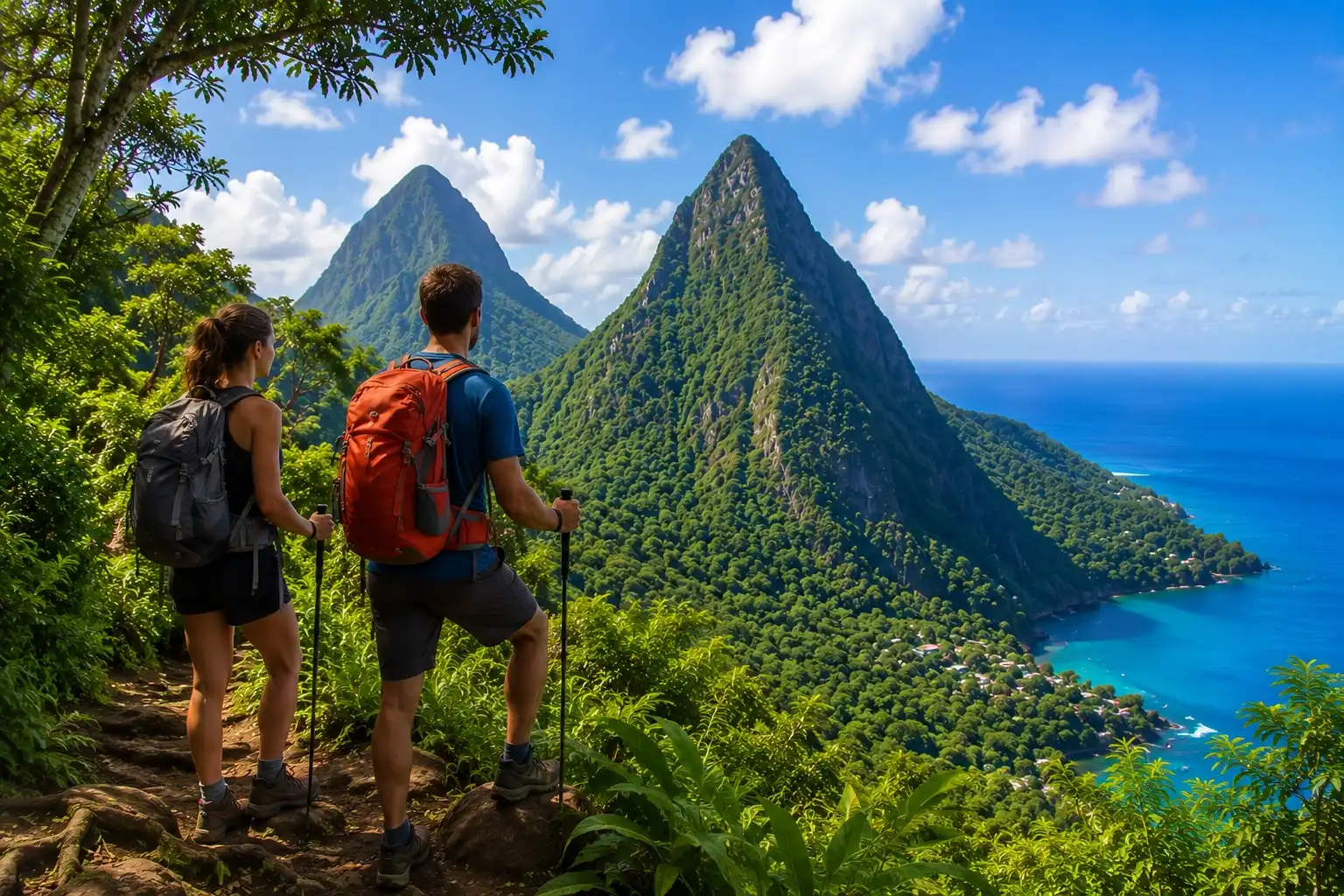
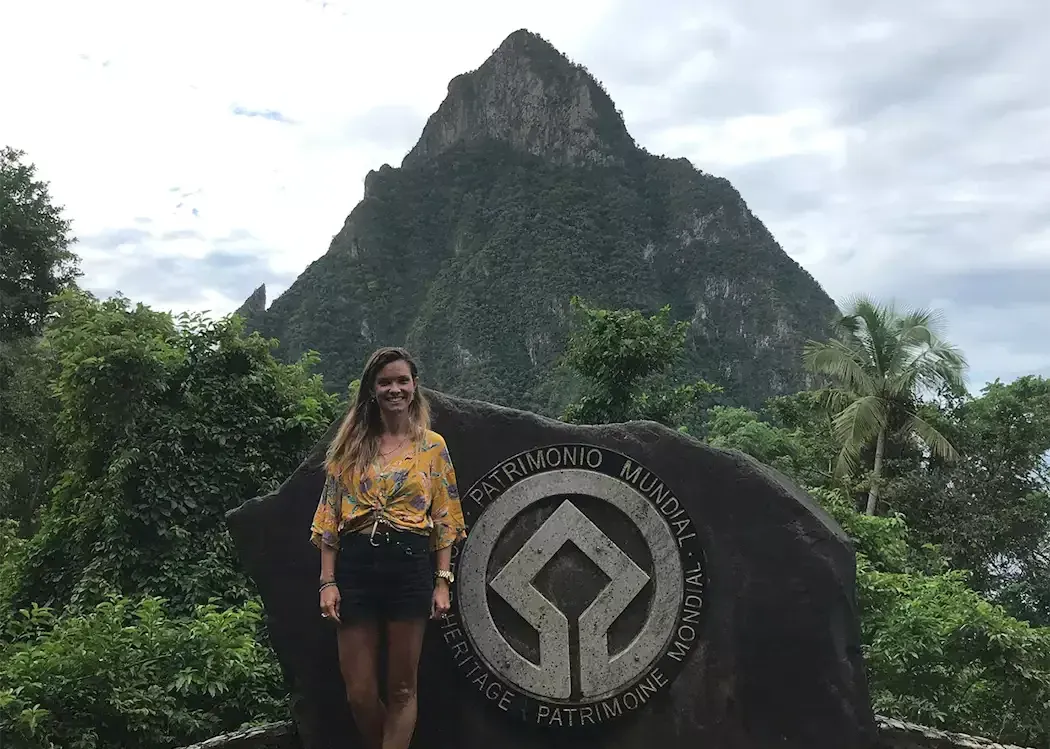
Gros Piton (about 798 m) and Petit Piton (about 743 m) are two volcanic peaks that rise straight out of the sea south of Soufrière. Together with the reef and land between them, they form the Pitons Management Area, a UNESCO World Heritage Site, and they are the image most people picture when they think of St. Lucia.
You can enjoy them in three ways: from the roadside viewpoints above Soufrière, from the water on a boat trip, or on foot. Gros Piton is the peak most visitors hike. The trail starts at Fond Gens Libres, takes about four to five hours up and down, and a local guide is required, paid at the trailhead.
Start a Gros Piton hike early, before 8 a.m., to avoid the midday heat. Bring two liters of water per person and shoes with good grip.
2Sulphur Springs
- Soufrière
- 1–2 hours
- About US$10–15 entry
- Mud baths
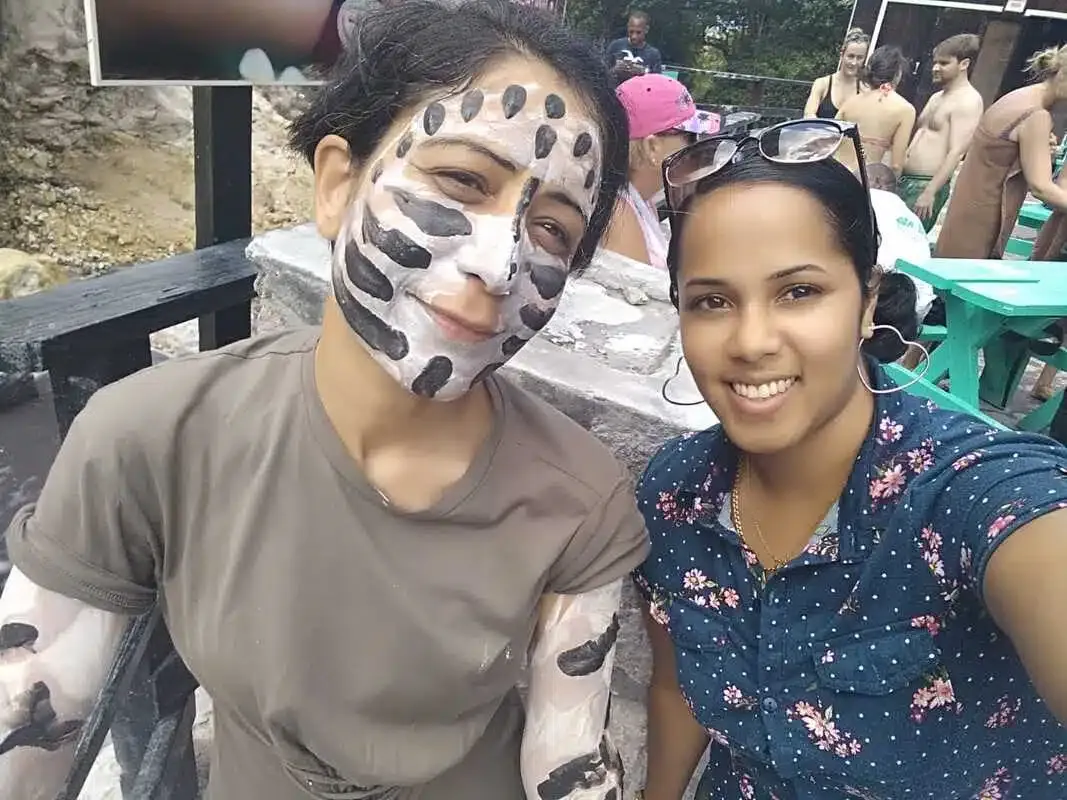
Known as the "drive-in volcano", Sulphur Springs lets you walk up to steaming vents and bubbling pools inside an old volcanic crater, then soak in warm mineral pools below. Visitors cover themselves in the grey mud, let it dry and rinse it off in the hot water, and many say their skin feels softer afterwards.
A visit takes one to two hours. Wear an old, dark swimsuit, as the sulphur smell and color can stay in light fabric, and take off silver jewelry first. Sulphur Springs is the main stop on our volcano and mud bath tour.
3Diamond Falls Botanical Gardens
- Soufrière
- 45–60 min
- Paid entry
- Gardens and mineral baths
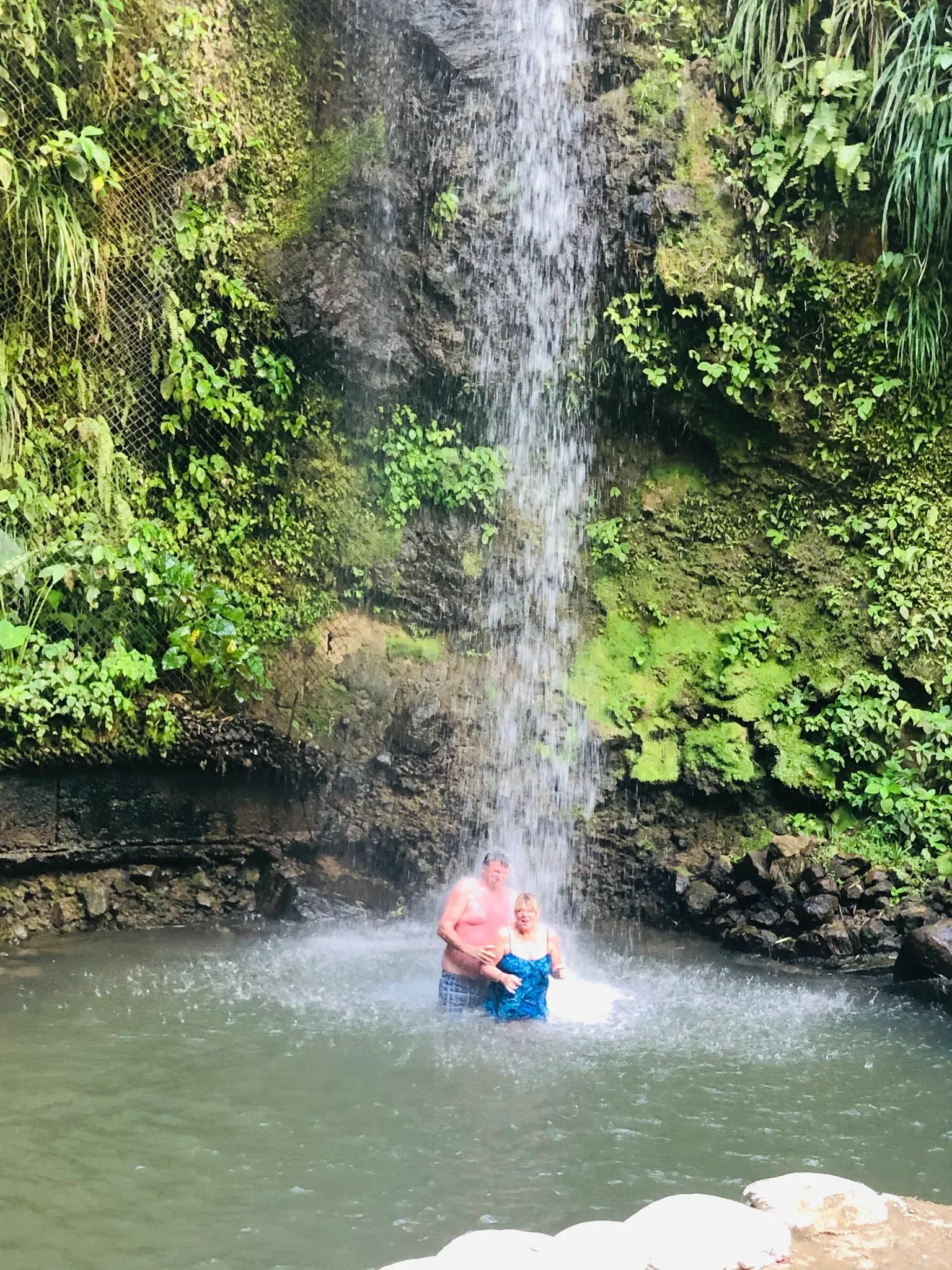
Just outside Soufrière town, the Diamond Falls Botanical Gardens are a peaceful walk through ginger lilies, heliconias and tall tropical trees, ending at a waterfall whose rocks are stained yellow, orange and green by minerals from the volcano above.
You cannot swim under this waterfall, but the estate has mineral baths fed by the same warm springs, which date back to the French era of the late 1700s. It is an easy stop for all ages and fits well between Sulphur Springs and lunch in town.
4Sugar Beach
- Between the Pitons
- Half day
- Free public access
- Swimming and snorkeling
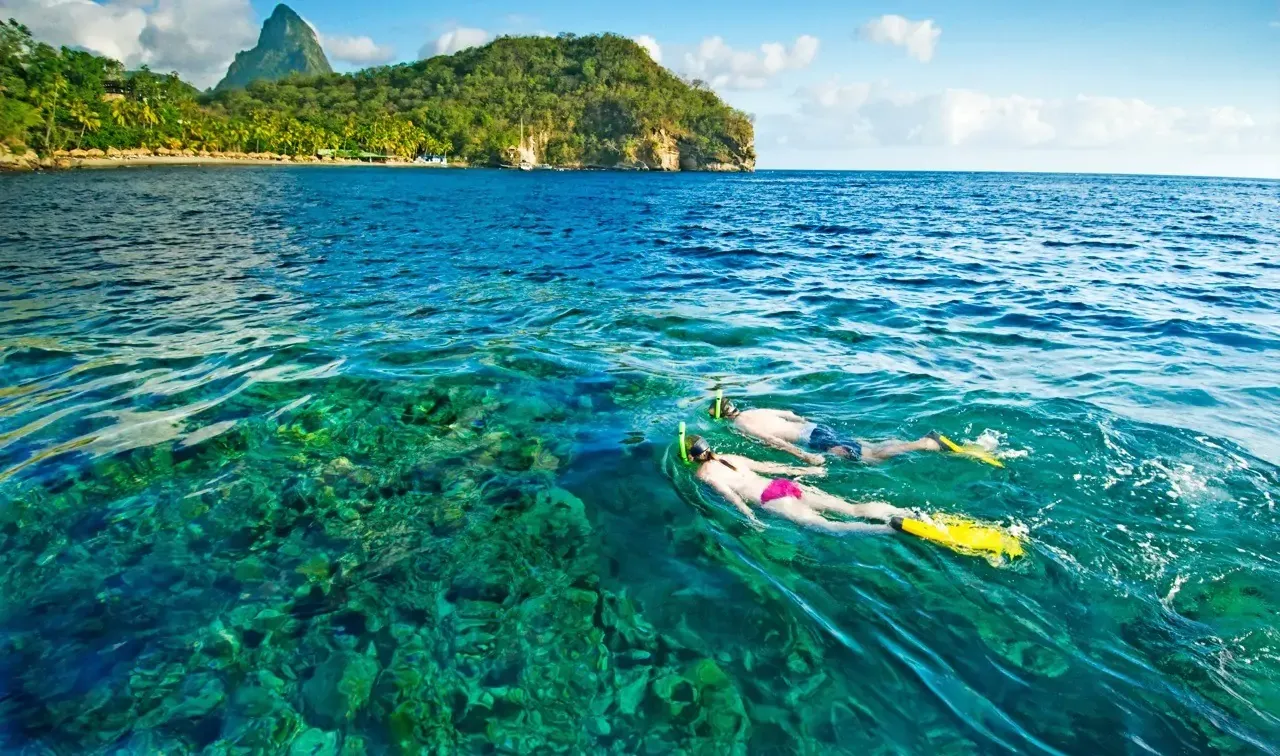
Sugar Beach sits in the bay right between Gros Piton and Petit Piton, which makes it one of the most photographed beaches in the Caribbean. The water is calm and clear, and the reef just offshore is part of the protected marine area, so snorkeling here is excellent.
A resort runs the land behind the beach, but like every beach in St. Lucia, the sand itself is public. Your driver can drop you at the public entrance. Loungers and drinks are paid, so bring a towel if you want to keep it free.
5Marigot Bay
- West coast
- 20–30 min from Castries
- 1–3 hours
- Free
Marigot Bay is a small, deep inlet lined with palm trees and hills, often called one of the prettiest bays in the Caribbean. Yachts anchor in its sheltered water, and a tiny ferry runs across to a strip of sand on the far side for a swim.
Come for lunch by the water or for sunset, when the boats come in and the hills turn gold. The bay is on the way between Castries and Soufrière, so it is an easy stop on any day trip south. You can also see it from the sea on a private boat tour along the west coast.
6Pigeon Island National Landmark
- Gros Islet, north
- 20–30 min from Castries
- 2–3 hours
- Paid entry
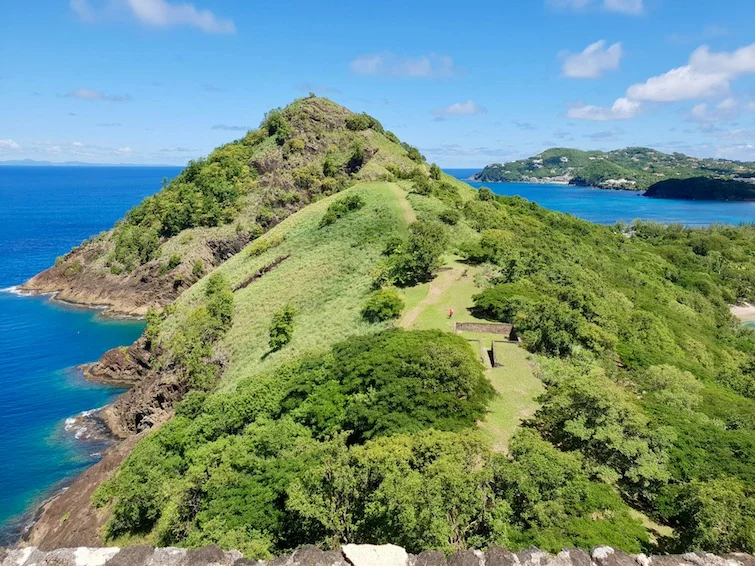
Once a real island, Pigeon Island is now joined to the mainland by a causeway at the end of Rodney Bay. In the 1700s the British built Fort Rodney on its summit to watch the French fleet in Martinique, and you can still climb up to the old cannons for one of the best views in the north.
Below the fort you will find ruined barracks, a small museum and two calm beaches for a swim after the climb. The park is managed by the Saint Lucia National Trust. It is a highlight of our half-day north island tour.
7Toraille Waterfall
- Near Soufrière
- 30–45 min
- Small paid entry
- Swim under the falls
A short drive inland from Soufrière, on the road to Fond St. Jacques, Toraille is a waterfall of about 15 meters dropping into a cool pool surrounded by tropical gardens. Unlike Diamond Falls, here you can step right under the water, which feels great after the heat of Sulphur Springs.
The path from the road is short and easy, and there are changing rooms on site. Go early or late in the day to have the pool to yourself, as tour groups tend to arrive around midday.
8Tet Paul Nature Trail
- Near Soufrière
- 45–60 min
- Small paid entry
- Easy, guided walk
If you want the classic Pitons view without the hard climb, Tet Paul is the answer. This short, guided trail runs through a community farm and up the "Stairway to Heaven" to a lookout where both peaks stand side by side, with the sea behind them.
On a clear day you can also see Martinique to the north and St. Vincent to the south. The walk suits most ages and fitness levels. Wear good shoes, bring water and plan your visit for the morning, when the light on the Pitons is best for photos.
9Anse Chastanet
- North of Soufrière
- Half day
- Free public access
- Snorkeling and diving
Anse Chastanet is a dark-sand beach in a quiet cove just north of Soufrière, with views of Petit Piton. Its reef starts only a few steps from the shore, so you can see parrotfish, sea turtles and bright coral without a boat, which is why it is one of the island's best-loved snorkeling spots.
The reef is part of the Soufrière Marine Management Area, so do not touch or stand on the coral. A dive shop on the beach rents snorkel gear and runs dives. The last stretch of road is steep and bumpy, so it is easier with a driver who knows it.
10Castries Market and Derek Walcott Square
- Castries
- Next to the cruise port
- 1–2 hours
- Free
The capital's Central Market, under its red iron roof, is where islanders buy fruit, vegetables, spices and fish, and where visitors find local crafts, cocoa sticks and hot sauce. Saturday morning is the busiest and most colorful time to go, and the food stalls at the back serve some of the best local lunches in town.
A few minutes' walk away, Derek Walcott Square honors St. Lucia's Nobel Prize-winning poet. On one side stands the Cathedral Basilica of the Immaculate Conception, with a colorful painted interior by local artist Dunstan St. Omer. These Castries attractions are an easy choice for a short cruise stop in St. Lucia.
The top attractions are spread from Pigeon Island in the north to the Pitons in the south. Let our drivers plan the route, wait while you explore and get you back on time. Call or WhatsApp us on +1 (758) 489-0041.
11Morne Fortune and Fort Charlotte
- Above Castries
- 10–15 min from the port
- 30–60 min
- Free
Morne Fortune, the "Hill of Good Luck", rises just south of Castries and gives a wide view over the capital, the harbor and the cruise ships, with Pigeon Island and sometimes Martinique in the distance. It is the quickest great view on the island from the port.
The hill was fought over for decades by the British and French, and the stone buildings of Fort Charlotte still stand near the top, now used by a college. Nearby, the Inniskilling Monument marks a battle from 1796. Combine it with Castries Market for a short half-day.
12The Rainforest and Edmund Forest Reserve
- Central highlands
- 2–4 hours
- Trail or tour fee
- Birds and hiking
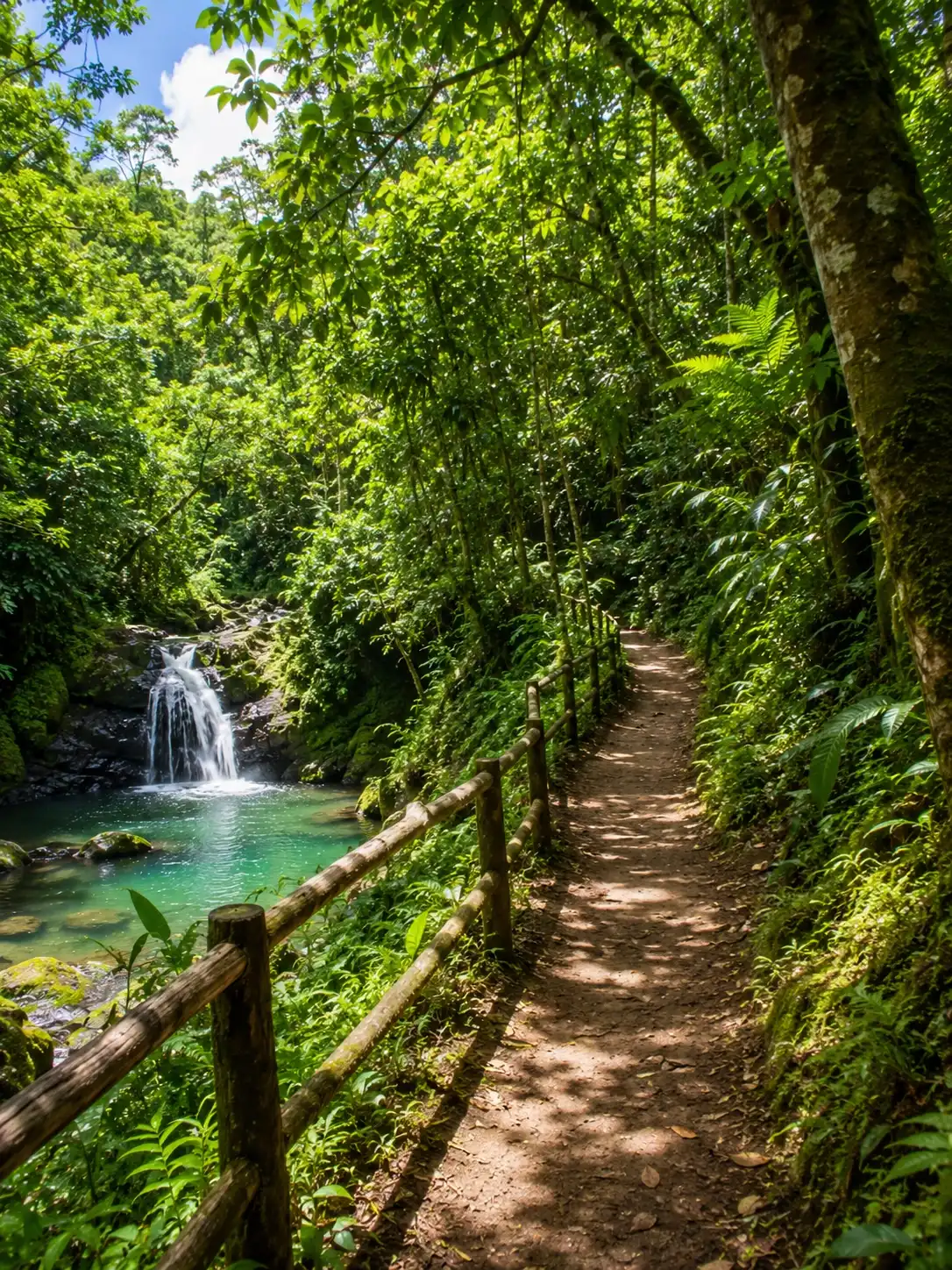
Much of St. Lucia's mountainous center is protected rainforest, home to giant ferns, wild orchids and the colorful St. Lucia parrot, known locally as the Jacquot and found nowhere else in the world. The Edmund Forest Reserve, reached through the hills east of Soufrière, has guided trails through the heart of it.
For a gentler visit, the north of the island has an aerial tram that glides through the treetops, plus ziplines for something more exciting. Bring a light rain jacket, as the forest lives up to its name, and ask about guides through the Government of Saint Lucia forestry service.
13Anse La Raye and Canaries
- West coast
- On the road to Soufrière
- 30–60 min each
- Free
Between Marigot Bay and Soufrière, the coast road drops into two traditional fishing villages where wooden houses line the shore and colorful pirogues are pulled up on the sand. They give a real feel for village life away from the resorts.
Anse La Raye comes alive on Friday nights with its seafood fish fry, while sleepy Canaries is the starting point for a river walk to small inland waterfalls. Both make good photo and snack stops on a drive south, so ask your driver to pull in.
14Rodney Bay and Reduit Beach
- Gros Islet, north
- 15–25 min from Castries
- Half day
- Free beach
Rodney Bay is the island's busiest resort area, with a large marina, restaurants, bars and shops. Its centerpiece is Reduit Beach, a long curve of golden sand with calm water, water sports and plenty of spots to eat and drink right on the beach.
It is the easiest beach day in the north and a great base for families. Next door, the fishing village of Gros Islet hosts the island's famous Friday night street party. Thinking of staying nearby? Read our guide on where to stay in St. Lucia.
15Vieux Fort and Moule à Chique
- South coast
- 10–20 min from UVF
- 1–2 hours
- Free
The quiet south sees far fewer visitors, but it has one of the island's widest views. The lighthouse on Moule à Chique, the island's southern tip, looks out over the Atlantic, the Caribbean Sea and the Maria Islands nature reserve, and on a clear day you can see St. Vincent.
Below, the long, windy beach at Anse de Sables is the island's kitesurfing hot spot. Because it is close to Hewanorra International Airport, the south is an easy stop on your way to or from a flight. Ask about it when you book your St. Lucia airport transfer.
Most of these attractions sit in two clusters: the north around Castries and Rodney Bay, and the south-west around Soufrière, about 1.5 hours apart. Plan one area per day and the island feels much easier.