
Is St Lucia Safe? The Ultimate Travel Safety Guide for 2026
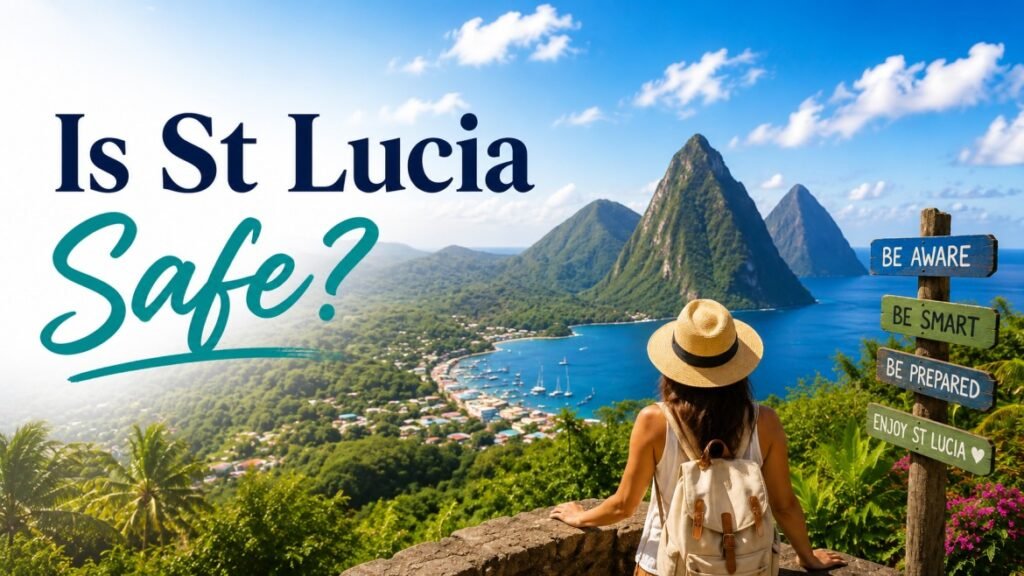
Is St Lucia Safe? Here's the Honest Answer
St Lucia is one of the most beautiful islands in the Caribbean — lush rainforests, dramatic Piton peaks, world-class resorts, and warm, welcoming people. But before you book your flights and pack your bags, you're probably asking the same question every traveler asks: is St Lucia safe?
The short answer is yes — St Lucia is generally safe to travel to, especially for tourists who stay in popular areas like Rodney Bay, Castries, Marigot Bay, and the Soufrière region. Like any destination, though, it helps to travel smart. This comprehensive safety guide will walk you through everything you need to know, from neighborhood safety to water quality, driving, and travel tips for specific groups — including solo female travelers, families, pregnant women, and LGBTQ+ tourists.
Let's dive in.
General Safety Overview: Is St Lucia a Safe Country?
St Lucia is considered one of the safer Caribbean islands for tourists. The island's economy is heavily dependent on tourism, which means the government and local businesses have a strong incentive to keep visitors safe and comfortable.
That said, like any country, St Lucia has areas that are more developed and tourist-friendly than others. Petty theft and opportunistic crime — such as bag snatching or pickpocketing — can occur, particularly in busier urban areas like Castries. Violent crime targeting tourists is rare, but it's not unheard of.
The U.S. Department of State rates St Lucia at Level 1 — "Exercise Normal Precautions", which is the same advisory level applied to many European destinations. The UK's FCDO and Canada's travel advisories similarly describe St Lucia as a destination requiring only normal caution.
The bottom line: St Lucia is it safe? Yes, with the same common-sense awareness you'd apply anywhere in the world.
Is St Lucia Safe for Tourists?
For the vast majority of visitors, St Lucia is very safe for tourists. The island receives hundreds of thousands of visitors each year, and most enjoy a completely incident-free trip.
Here are a few things tourists should keep in mind:
- Stick to well-lit, busy areas at night. Places like Rodney Bay's restaurant and bar strip are generally lively and safe after dark.
- Use reputable transportation. Always use registered taxis or a trusted tour and taxi service rather than accepting rides from strangers.
- Don't flash expensive jewelry or electronics. This applies everywhere in the world, not just St Lucia.
- Book excursions through trusted providers. Going with an established, professional tour operator significantly reduces any risk.
- Secure your valuables at your accommodation. Most resorts and hotels have in-room safes.
Staying within tourist zones and using vetted local services — like St Lucian Taxi and Tours — makes your experience not only safer but far more enjoyable.
Is St Lucia Safe for Americans?
Yes, St Lucia is safe for American tourists. Americans make up one of the largest groups of visitors to the island, and the destination is well set up to cater to U.S. travelers. English is the official language, the U.S. dollar is widely accepted alongside the Eastern Caribbean dollar, and many locals have connections to or familiarity with American culture.
The U.S. State Department's Level 1 advisory for St Lucia means there are no specific elevated risks for American citizens. As always, register with the Smart Traveler Enrollment Program (STEP) before you travel and keep your embassy's contact information handy.
Is St Lucia safe for American tourists right now? As of 2026, yes — general safety conditions remain stable and tourist-friendly.
Is St Lucia Safe for Solo Female Travelers?
One of the most common questions we receive is: is St Lucia safe for solo female travel?
The honest answer is that St Lucia is safer than many Caribbean destinations for women traveling alone, but it does come with some caveats.
What solo female travelers should know:
- Verbal harassment (catcalling, overly persistent vendors) can occur, particularly in Castries and local markets. It's annoying rather than dangerous, but worth being prepared for.
- Avoid walking alone at night in unfamiliar or poorly lit areas.
- Trust your gut. If a situation feels uncomfortable, remove yourself from it.
- Stay in well-reviewed, security-conscious accommodations. This makes a significant difference.
- Use a trusted taxi service. Solo female travelers especially benefit from pre-arranged, reliable transportation rather than hailing informal rides.
Many solo female travelers visit St Lucia each year and have wonderful experiences. With sensible precautions, it is absolutely a viable and rewarding destination for women traveling alone.
Is St Lucia Safe for Families?
Absolutely — St Lucia is an excellent destination for families. The island has a wide range of family-friendly resorts, especially in the Rodney Bay area. Activities like whale watching, snorkeling, rainforest hikes, and waterfall visits are suitable for children of various ages.
Tips for families traveling to St Lucia:
- Book an all-inclusive resort if you want peace of mind about meals, activities, and security.
- Arrange private or group tours with a reputable taxi and tour service for family day trips — guides who know the island can make family outings both safe and memorable.
- Keep an eye on children near beaches with strong currents. Some beaches on the Atlantic-facing east coast have rougher waters.
- Bring insect repellent — not a safety issue per se, but essential for comfort, particularly in rainforest areas.
Is It Safe to Travel to St Lucia While Pregnant?
Is St Lucia safe for pregnant women? This is a question with a few dimensions.
General safety: St Lucia poses no special risks to pregnant travelers beyond those of any international trip. Healthcare on the island is adequate for routine needs, with the main hospital located in Castries (Victoria Hospital), though facilities are more limited than what you'd find in the U.S. or UK.
Zika virus: This is the key consideration for pregnant travelers. St Lucia has had documented Zika virus transmission in the past. Pregnant women are strongly advised to consult their doctor or travel health clinic before booking, as Zika can cause serious birth defects. Check the latest CDC and WHO guidance on Zika activity in St Lucia before traveling.
Practical tips for pregnant travelers:
- Use strong, pregnancy-safe insect repellent (DEET is generally considered safe in pregnancy — confirm with your doctor).
- Stay hydrated, especially in the Caribbean heat.
- Avoid high-altitude activities or strenuous hikes.
- Pack comprehensive travel insurance that covers pregnancy-related medical care.
Is It Safe to Drink the Water in St Lucia?
Is the water in St Lucia safe to drink? This is one of the most searched questions about St Lucia — and a very practical one.
The good news: tap water in St Lucia is treated and generally considered safe to drink by the local water authority (WASCO). St Lucia's water supply is monitored and treated to international standards.
However, many visitors and residents prefer to drink bottled water, especially those with sensitive stomachs not accustomed to local water supplies. This is a sensible precaution regardless of official safety ratings.
Our recommendations:
- At hotels and resorts, the water is generally safe, and most establishments use additional filtration.
- If you're staying in a private villa or guesthouse, bottled water is widely available and inexpensive.
- When in doubt, drink bottled — especially if you have a sensitive digestive system or are traveling with young children.
Ice in reputable restaurants and hotels is typically made from treated water and is safe.
So, is tap water safe in St Lucia? Officially yes, but bottled water is a safe and affordable alternative if you prefer.
Is It Safe to Drive in St Lucia?
Is it safe to drive in St Lucia? This depends on your comfort level with challenging driving conditions.
Here's what you need to know:
- St Lucians drive on the left (British-style).
- Roads outside of major towns are often narrow, winding, and hilly — particularly in the south around Soufrière. Driving between Castries and Soufrière is scenic but requires concentration.
- Road conditions vary — some roads are well-maintained, others have potholes and unmarked hazards.
- Driving at night is not recommended for visitors unfamiliar with the island, as roads are poorly lit and signage can be limited.
Is it safe to rent a car in St Lucia? Yes, but you'll need to purchase a local temporary driving permit (available through rental agencies). We recommend renting from reputable companies and considering a 4WD vehicle if you plan to explore rural areas.
The easier option? Hiring a local, experienced taxi driver or tour operator to take you around. It removes the stress of navigation entirely and often costs less than you'd expect — while giving you the benefit of a knowledgeable local guide.
Is It Safe to Swim in St Lucia?
Is it safe to swim in St Lucia? In most areas frequented by tourists, yes — but some precautions apply.
- Calm, sheltered beaches like Reduit Beach in Rodney Bay and the beaches around Marigot Bay are excellent for swimming.
- Beaches on the Atlantic east coast can have strong currents and rough surf — these are better for sightseeing than swimming.
- Volcanic black sand beaches near Soufrière are beautiful but surf can be stronger. Always check local conditions.
- Observe posted flags and signs — most resort and public beaches use a flag system to indicate swimming conditions.
- Marine life: Stonefish and sea urchins exist in rocky areas. Wearing water shoes adds a layer of protection when wading in rocky sections.
Overall, St Lucia's most popular beaches are lovely and safe for swimming, especially during the calmer dry season (December to May).
Specific Area Safety: Is Rodney Bay, Castries, Marigot Bay & Soufrière Safe?
Is Rodney Bay St Lucia Safe?
Yes — Rodney Bay is the safest and most tourist-friendly area in St Lucia. It's home to the island's main marina, dozens of restaurants, bars, and hotels, and has a strong tourist infrastructure. It's a great base for visitors.
Is Castries St Lucia Safe?
Castries, the capital, requires a bit more caution. As the main commercial center, it's busy and has higher rates of petty crime than resort areas. Pickpocketing can occur in the market area and near the port. Avoid wandering into unfamiliar neighborhoods at night. During the day, the central market and waterfront are enjoyable to visit with normal vigilance.
Is Marigot Bay St Lucia Safe?
Marigot Bay is considered very safe. This sheltered, picturesque bay is home to luxury resorts and is one of the most tranquil spots on the island. It's an excellent option for travelers seeking a quieter, secure environment.
Is Soufrière St Lucia Safe?
Soufrière is generally safe for tourists, particularly during the day. As a smaller, working town near the Pitons and the volcanic mud baths, it's a major tourist draw. Stay aware of your surroundings in town and use reputable guides for volcano and rainforest excursions.
Is Gros Islet St Lucia Safe?
Gros Islet is safe — especially notable for its famous Friday Night Street Party, a beloved local tradition that attracts both tourists and locals. The party is generally good-natured and fun, though as with any busy event, keep valuables secure.
Is the St Lucia Street Party Safe?
Yes, the Gros Islet Friday Night Street Party is considered safe for tourists. It's a lively, colorful street festival with food, music, and dancing. Normal precautions apply — don't carry large amounts of cash, watch your belongings, and travel with friends or a group if possible.
Is St Lucia Safe During Hurricane Season?
Is St Lucia safe during hurricane season? The Atlantic hurricane season runs from June through November, with peak activity from August to October.
St Lucia sits in the southern Caribbean and is less frequently in the direct path of major hurricanes than islands further north, such as those in the Leeward Islands. However, tropical storms and indirect hurricane impacts (heavy rain, flooding, strong winds) can still affect the island.
What this means for travelers:
- Travel insurance with hurricane and weather coverage is essential if you're visiting between June and November.
- Most resorts have robust emergency plans in place.
- Monitor weather services and be prepared to change plans if a storm approaches.
- September and October are statistically the riskiest months weather-wise — travelers visiting then should be particularly attentive.
Outside of hurricane season (December through May), St Lucia enjoys reliably beautiful weather with minimal risk.
Is St Lucia Safe for LGBTQ+ Travelers?
Is St Lucia LGBTQ+ safe? This requires an honest answer.
Same-sex sexual activity between men remains technically illegal under St Lucia's laws, a legacy of colonial-era legislation. However, enforcement is rare, and LGBTQ+ tourists generally report that discreet travel is low-risk. St Lucia does not have the aggressive anti-LGBTQ+ enforcement seen in some other countries.
That said, public displays of affection between same-sex couples are not advisable and may attract unwanted attention or negative reactions, particularly outside of resort areas. At major all-inclusive resorts, LGBTQ+ guests are typically welcomed without issue.
LGBTQ+ travelers should research current conditions, connect with community travel forums, and take a conservative approach to public displays of affection as a precaution.
Is St Lucia Volcano Safe?
Is the St Lucia volcano safe to visit? Yes — and it's one of the island's most fascinating attractions.
The "Drive-In Volcano" at Sulphur Springs near Soufrière is the world's only volcano you can drive into. While the area has active geothermal features (bubbling sulfur springs and mud pools), it is carefully managed and considered safe for visitors who stay on designated paths and follow guide instructions.
A knowledgeable local guide or tour operator is strongly recommended for visits to the volcanic and rainforest areas around Soufrière.
Is Sea Moss from St Lucia Safe?
Is sea moss from St Lucia safe? St Lucian sea moss (Irish moss / Chondrus crispus and related species) has a strong reputation as a health supplement, and St Lucia is a notable source.
When sourced from reputable suppliers, St Lucian sea moss is generally considered safe for most healthy adults. Key considerations:
- Source from reputable, lab-tested suppliers to ensure no contamination.
- Those with thyroid conditions should consult a doctor — sea moss is high in iodine.
- As with any supplement, consult your healthcare provider before use.
Top Safety Tips for Traveling to St Lucia
- Use registered, reputable taxi and tour services — avoid informal rides from strangers.
- Don't flash valuables — keep jewelry, cameras, and cash discreet.
- Avoid walking alone at night in unfamiliar or urban areas.
- Drink bottled water if you have a sensitive stomach, even though tap water is treated.
- Purchase comprehensive travel insurance before you leave.
- Book excursions through trusted operators — your taxi driver or resort can make recommendations.
- Respect local customs — St Lucia is a conservative island; beachwear is for the beach, not for town.
- Keep emergency numbers handy — St Lucia's emergency number is 999 (police/fire/ambulance).
- Check CDC and FCDO/State Department travel advisories before departure.
- Share your itinerary with someone at home so they know your plans.
Why Choose a Local Taxi and Tour Service for a Safer St Lucia Experience?
One of the single best things you can do to enhance your safety and enjoyment in St Lucia is to travel with a knowledgeable, experienced local driver and tour guide.
At St Lucian Taxi and Tours, we provide:
- Safe, reliable, air-conditioned vehicles operated by professional, licensed drivers
- Expert local knowledge — we know every road, every attraction, and every shortcut
- Customized tours — from airport transfers to full-day island tours
- Peace of mind — especially valuable if you're visiting St Lucia for the first time, traveling solo, or visiting with family
Exploring St Lucia with a trusted local by your side means more confidence, more discovery, and less stress. Get in touch with us today to book your transfer or tour.
Final Verdict: Is St Lucia Safe to Visit?
Yes — St Lucia is safe to visit, and it's one of the most rewarding Caribbean destinations you can choose. With its dramatic natural beauty, friendly people, excellent food, and world-class resorts, it has everything needed for an unforgettable trip.
Like anywhere in the world, sensible precautions make a real difference. Stick to reputable services, be aware of your surroundings, use trusted local transportation, and you'll have very little to worry about.
Is it safe to travel to St Lucia right now? For 2026, absolutely. The island is open, welcoming, and ready for visitors.
We hope this guide has answered your questions about St Lucia safety. If you're ready to start planning, our team at St Lucian Taxi and Tours is here to help make your visit seamless, safe, and spectacular.
Have a safety question we haven't covered? Contact us — we're happy to help.
Ready for a Safe Adventure?
Ensure your digital and physical peace of mind with expert support.